
Rotator Cuff Tear Specialist | Allen, Frisco, & Plano
Introduction
The rotator cuff is a group of muscles and tendons that help stabilize the shoulder and allow for lifting and rotational movement of the arm. Rotator cuff tears are a common cause of shoulder pain, weakness, and difficulty with overhead activities.
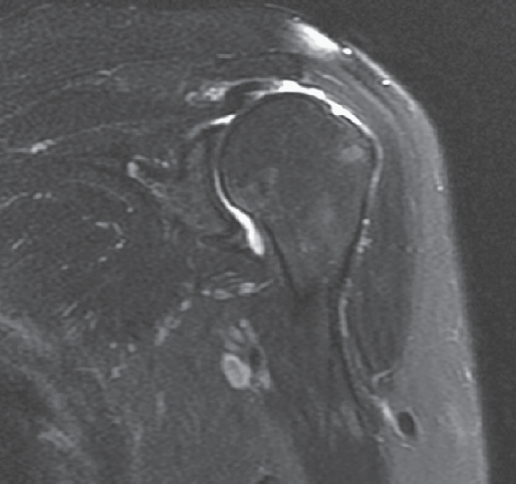
Rotator cuff tears may occur suddenly after an injury (acute tears) or develop gradually over time from tendon degeneration and wear (degenerative tears). Tears may be partial-thickness, where only part of the tendon is damaged, or full-thickness, where the tendon is completely detached from the bone. Without treatment, some tears may enlarge over time and lead to progressive weakness, loss of function, muscle atrophy, and shoulder arthritis known as cuff tear arthropathy.
Non-surgical treatment may include physical therapy, activity modification, anti-inflammatory medications, or injections. Cortisone injections may help reduce pain and inflammation, while biologic injections such as PRP may be considered in select situations.
Surgery
When symptoms persist despite conservative treatment, surgery may be recommended depending on the size of the tear, tissue quality, patient age, activity level, and goals. Most rotator cuff procedures are performed arthroscopically through small incisions and are typically done in an
outpatient setting, allowing patients to return home the same day.
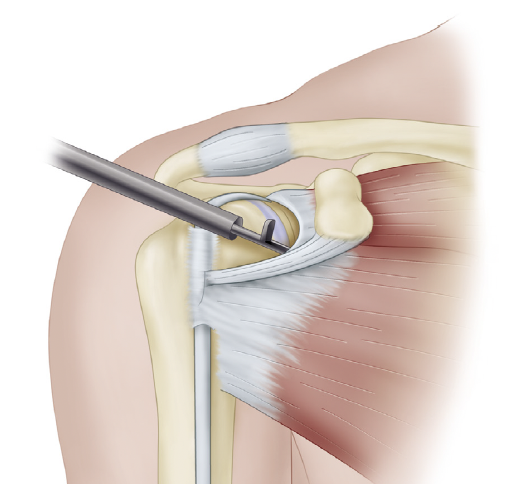
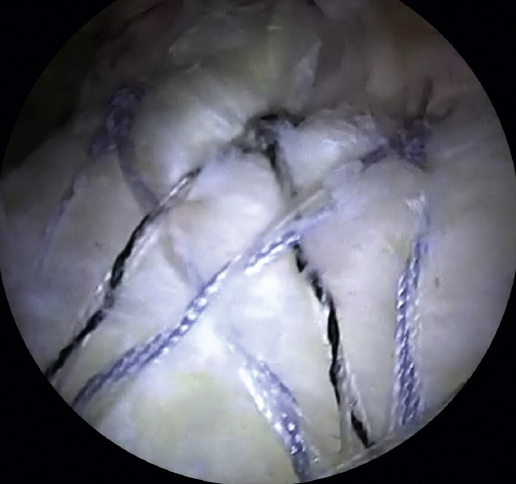
A direct rotator cuff repair involves reattaching the torn tendon back to bone and is commonly performed for repairable tears. In select partial-thickness or smaller tears, a REGENETEN bioinductive patch may be used to help support tendon healing and improve tissue thickness. For certain massive or irreparable tears, a subacromial balloon spacer may help reduce pain and improve
shoulder mechanics in appropriately selected patients.
In patients with chronic, irreparable rotator cuff tears and associated arthritis, a reverse shoulder replacement may be recommended. This procedure changes the mechanics of the shoulder to allow the deltoid muscle to compensate for a deficient rotator cuff and can provide significant pain relief
and improved function.
Rehabilitation
Rehabilitation is essential after an ACL tear or ACL reconstruction. Early goals include reducing swelling, restoring motion, and improving quadriceps strength. As healing progresses, therapy focuses on balance, strength, neuromuscular control, running progression, jumping, cutting, and sport-specific training.
Return to sport is based on healing, strength, movement quality, and functional testing – not time alone. Many athletes require around 9 months before safely returning to high-level pivoting sports.