
ACL Specialist | Allen, Frisco, & Plano
Introduction
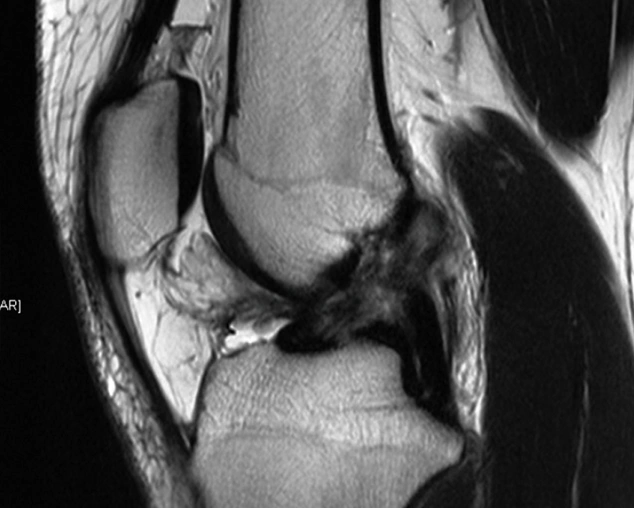
The anterior cruciate ligament (ACL) is one of the main stabilizing ligaments of the knee. It helps control rotation and prevents the tibia from shifting too far forward during cutting, pivoting, jumping, and sudden changes in direction. ACL tears commonly occur during sports when an athlete plants the foot and twists, lands awkwardly from a jump, or rapidly decelerates. Contact injuries can also occur from a blow to the knee, but most ACL tears happen without direct contact.
Without a functioning ACL, the knee may feel unstable, especially during pivoting or athletic activities. Repeated instability episodes can lead to additional damage, including meniscus tears, cartilage injury, and early joint degeneration. Treatment depends on the patient’s age, activity level, instability symptoms, and goals. Some lower- demand patients may do well with rehabilitation and activity modification, while athletes and active individuals often benefit from ACL reconstruction to restore knee stability.
Surgery
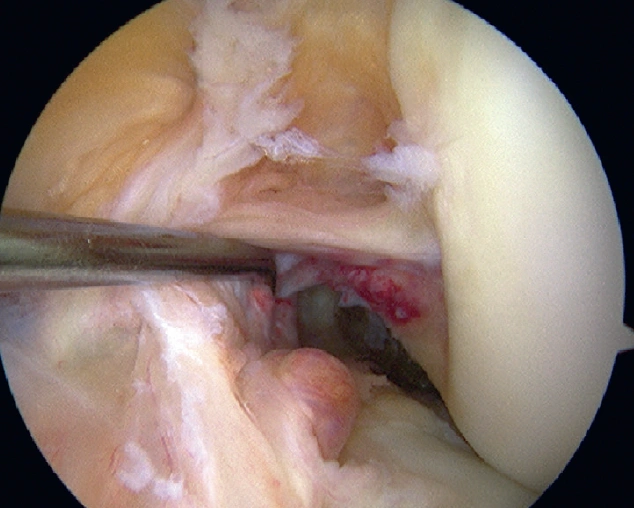
Most ACL procedures are performed arthroscopically through small incisions and are typically done in an outpatient setting, allowing patients to return home the same day. Most patients with an ACL tear require an ACL reconstruction rather than a repair, as the ACL has limited healing potential and many tear patterns are not suitable for repair.
ACL reconstruction uses a graft to replace the torn ligament. Common graft choices include patellar tendon, quadriceps tendon, hamstring tendon, and allograft tissue from a donor. Each graft has advantages and tradeoffs, and the best option depends on the patient age, anatomy, goals, and
surgical history.
Rehabilitation
Rehabilitation is essential after an ACL tear or ACL reconstruction. Early goals include reducing swelling, restoring motion, and improving quadriceps strength. As healing progresses, therapy focuses on balance, strength, neuromuscular control, running progression, jumping, cutting, and sport-specific training.
Return to sport is based on healing, strength, movement quality, and functional testing – not time alone. Many athletes require around 9 months before safely returning to high-level pivoting sports.